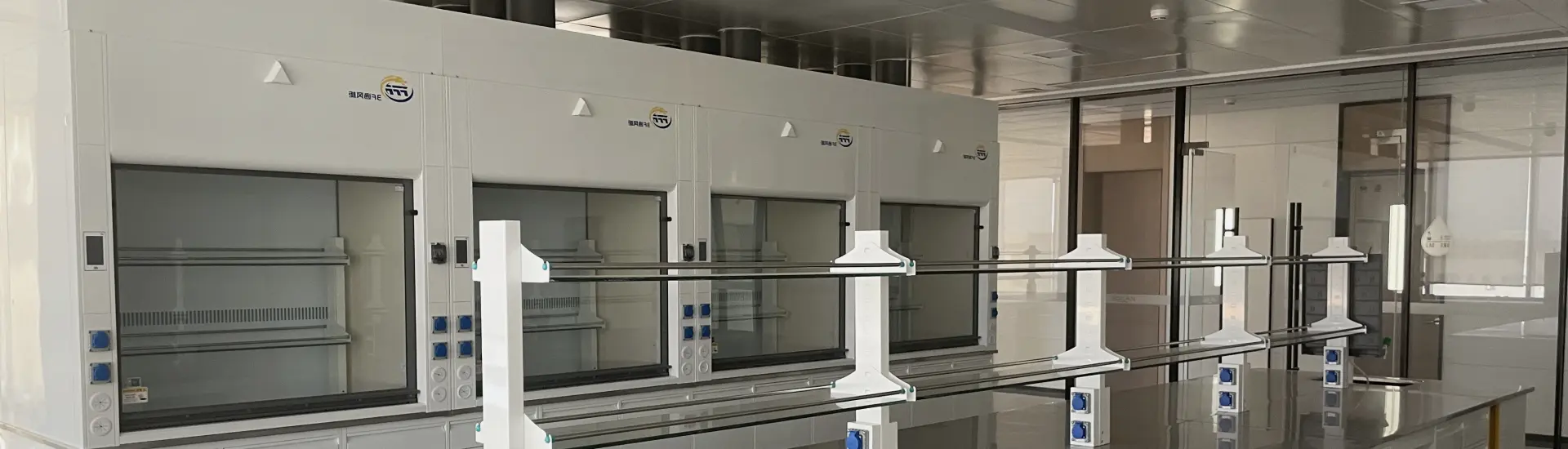
Focusing on the research, development, and development of the series of air curtain fume hood products
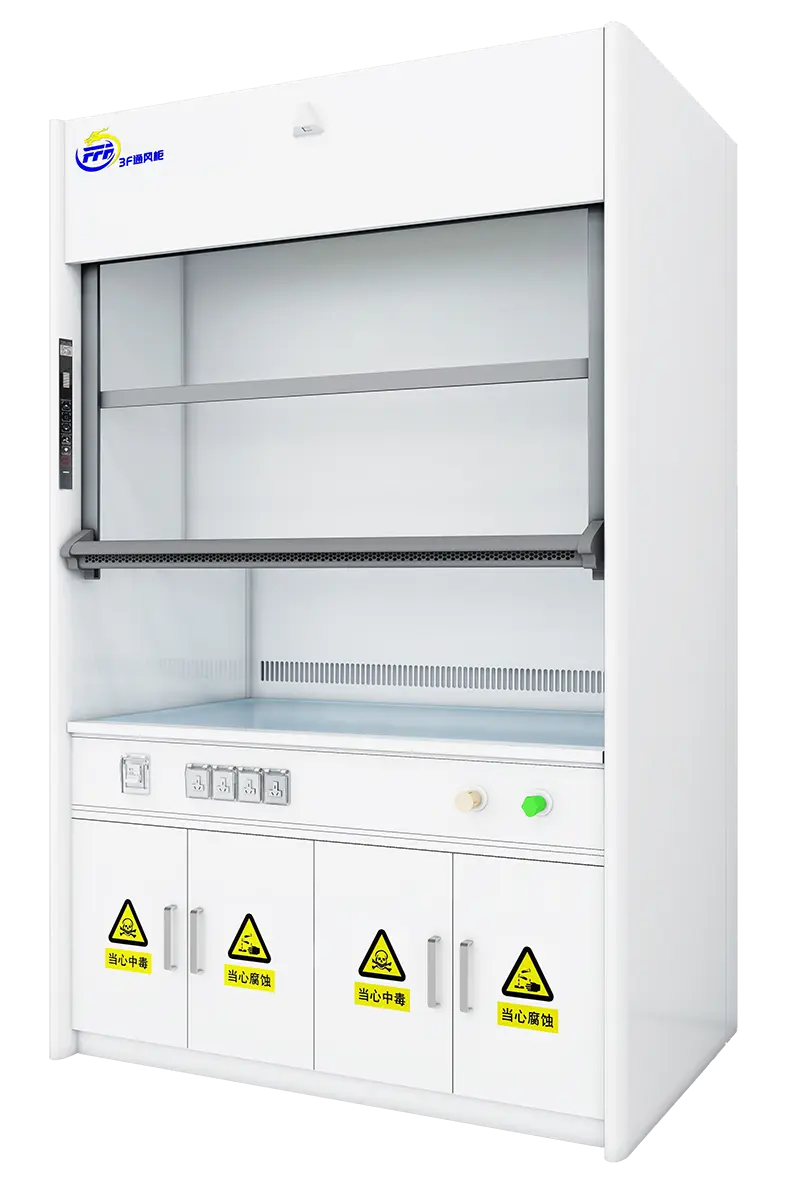
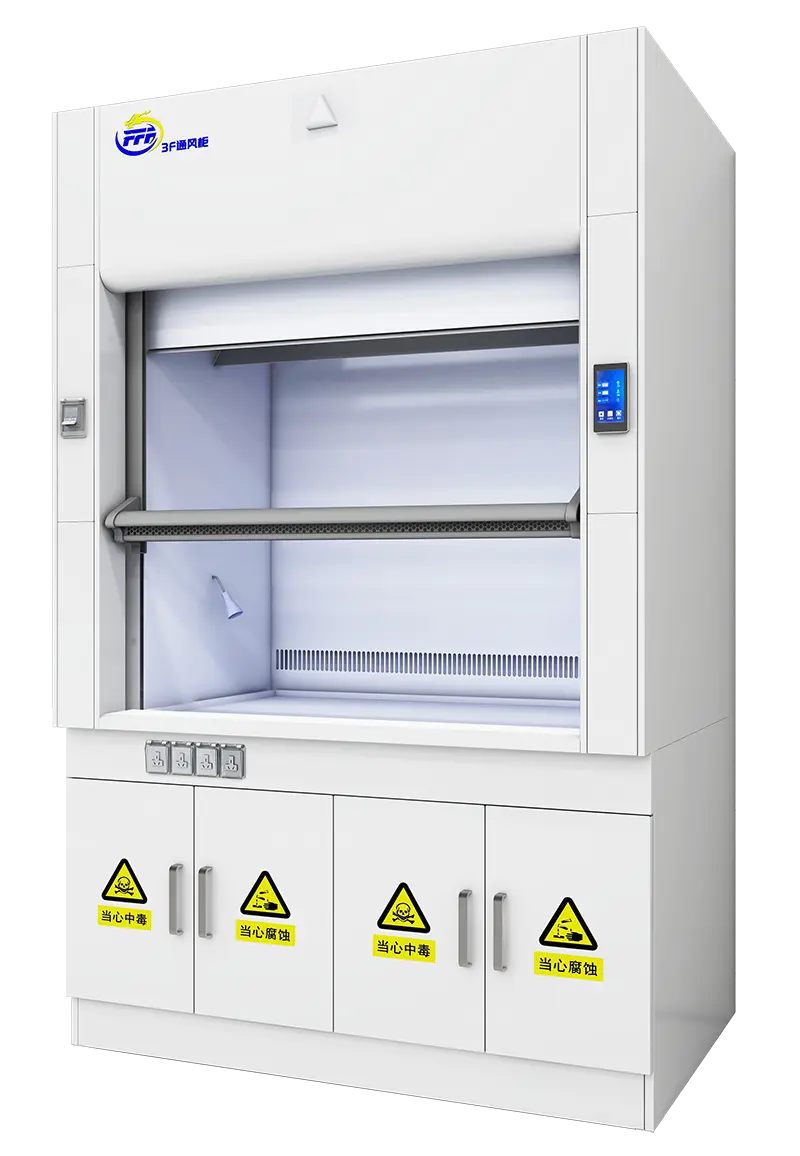
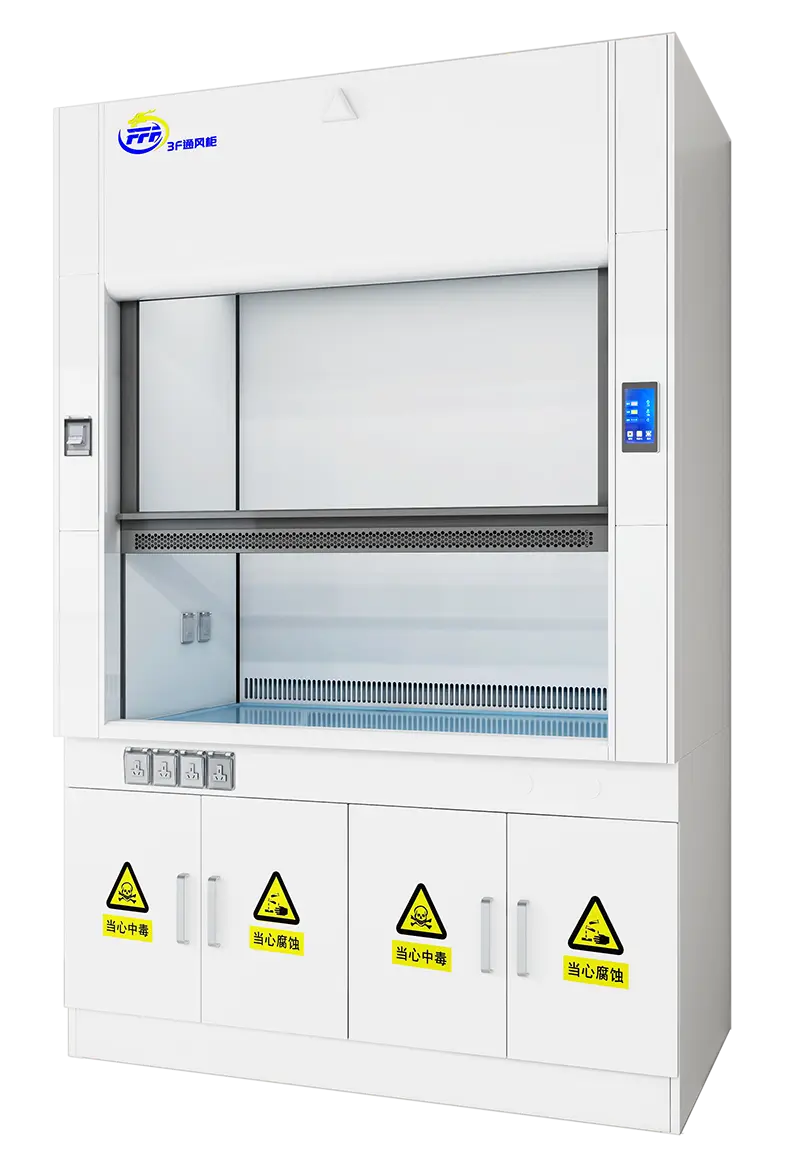
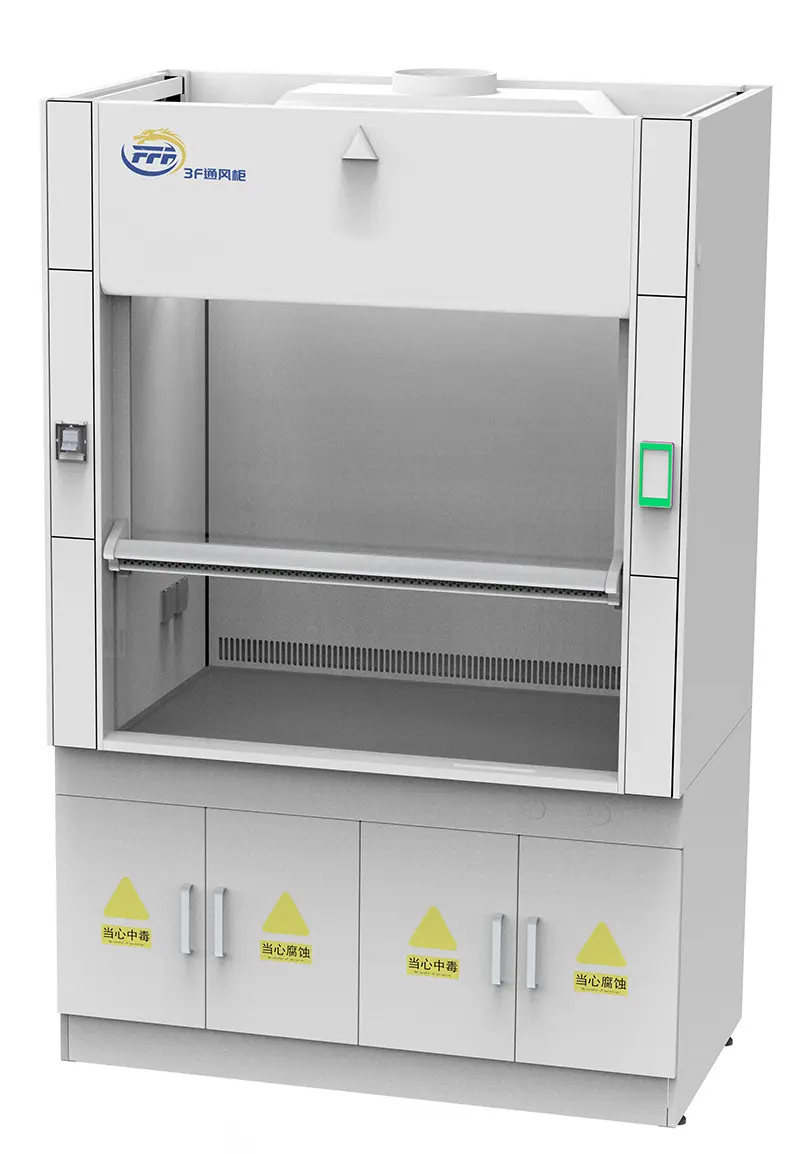
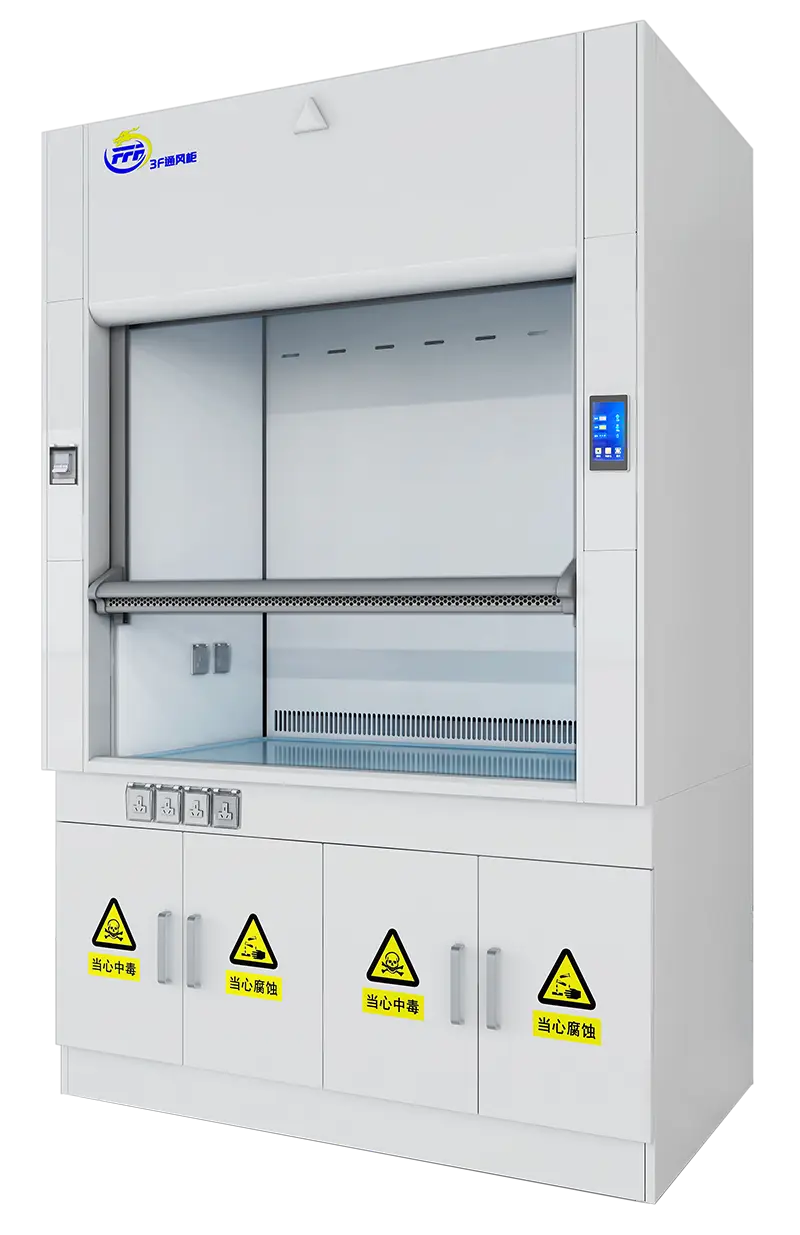
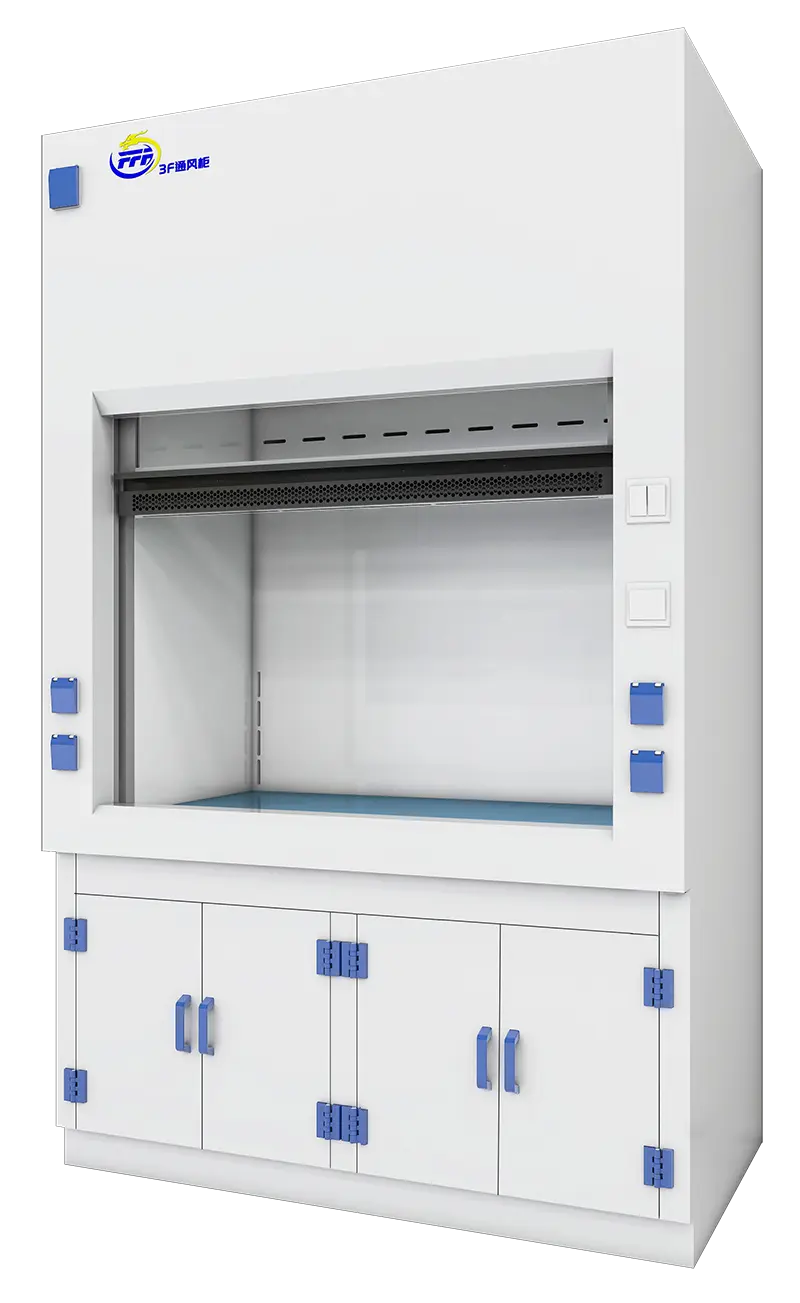
Suitable for the vast majority of experimental scenarios, 3F recommends standard air curtain ventilation cabinets. Depending on the project situation, you can freely choose between conventional wide edge or European narrow edge styles, and choose materials such as PP and all steel according to the experimental conditions. Unique air curtain design, no indoor air discharge, exhaust air volume of 300m ³/h, small air volume, large safety!
Suitable for scientific research experiments where there may be open flames generated; In recent years, with the increasing demand for testing flammable, explosive, or toxic chemicals, automatic fire extinguishing fume hoods have emerged, adding another line of defense to laboratory safety. The 3F automatic fire extinguishing fume hood integrates fire detection and automatic fire extinguishing systems on the basis of traditional fume hoods, and can be widely used in various laboratories such as chemistry, biology, and medicine.
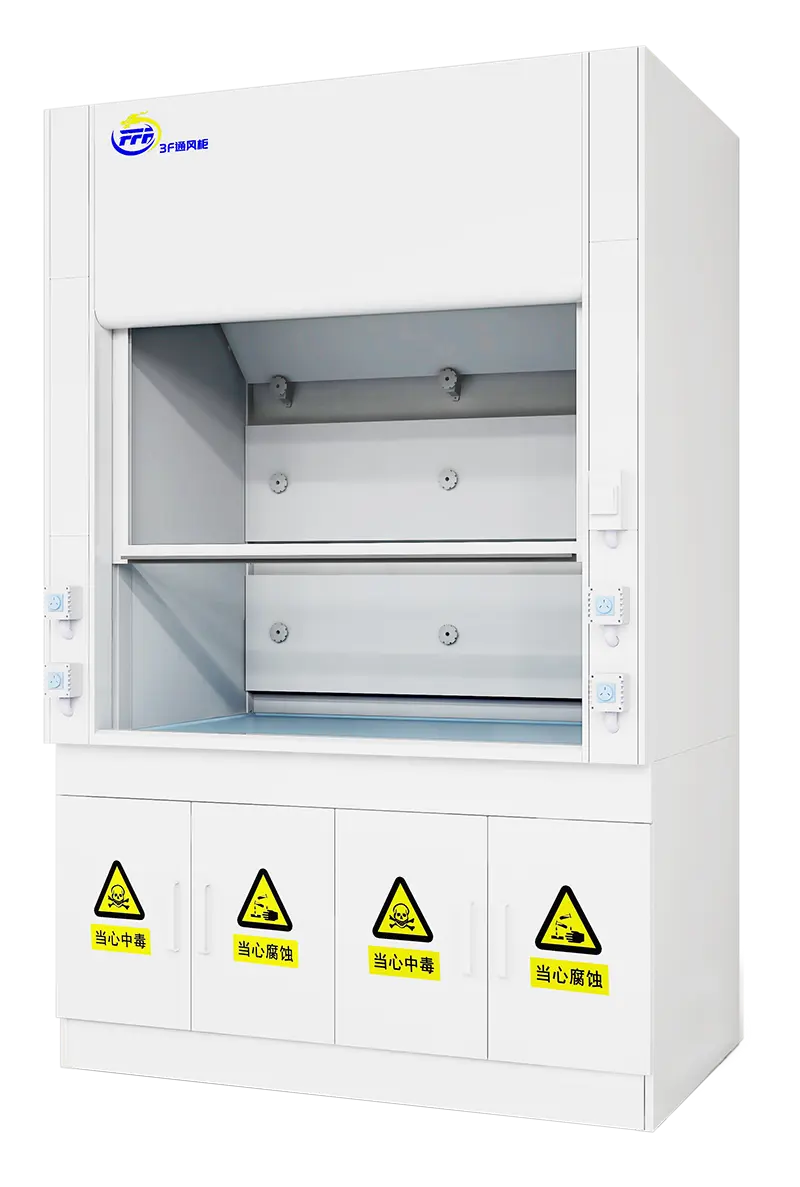
Suitable for experimental scenarios with explosion-proof requirements, the overall ventilation cabinet electrical equipment is explosion-proof products; Adopting a pure mechanical linkage mechanism, the opening relationship between the window and the air valve is controlled through the linkage mechanism. When the window is opened, the air valve is controlled to open through a linkage mechanism. When the window is closed, the air valve is completely closed, achieving no power control.
Suitable for single or a small number of organic experimental scenarios; Install an activated carbon filtration device at the top of the exhaust box, which can be replaced regularly.
Suitable for single or a small number of inorganic experimental scenarios; The spray fume hood consists of two parts: the fume hood and the air purification treatment system. The air purification treatment system includes a purification box, a circulation device, and a spray device for purifying acidic or alkaline gases.
Suitable for experimental scenarios specific to perchloric acid; The fume hood adopts a rear air flow channel to enhance pollution control capability. The internal chamber is composed of bent 304 stainless steel plates, which can be upgraded to 316 stainless steel plates. The flushing system in the airflow channel flushes away all perchlorate deposits on the airflow channel, preventing the accumulation of any explosive salts. The built-in water pump system ensures that the water pressure of the flushing system is constant.
Suitable for experimental scenarios with dust and particulate matter; The exhaust outlet of the fume hood bellows is connected to the bottom of the countertop through the bellows, and the cabinet exhaust outlet is set on the countertop. Dust particles with a density greater than that of air will accumulate at the bottom of the cabinet. The cabinet exhaust outlet is set on the countertop, which is more conducive to the discharge of dust particles from the cabinet. A supplementary air outlet is installed at the top of the cabinet, and fresh air is supplied from top to bottom into the cabinet countertop exhaust outlet, which is more conducive to the discharge of dust particles. A front air curtain is installed to effectively prevent dust particles from overflowing from the cabinet.